
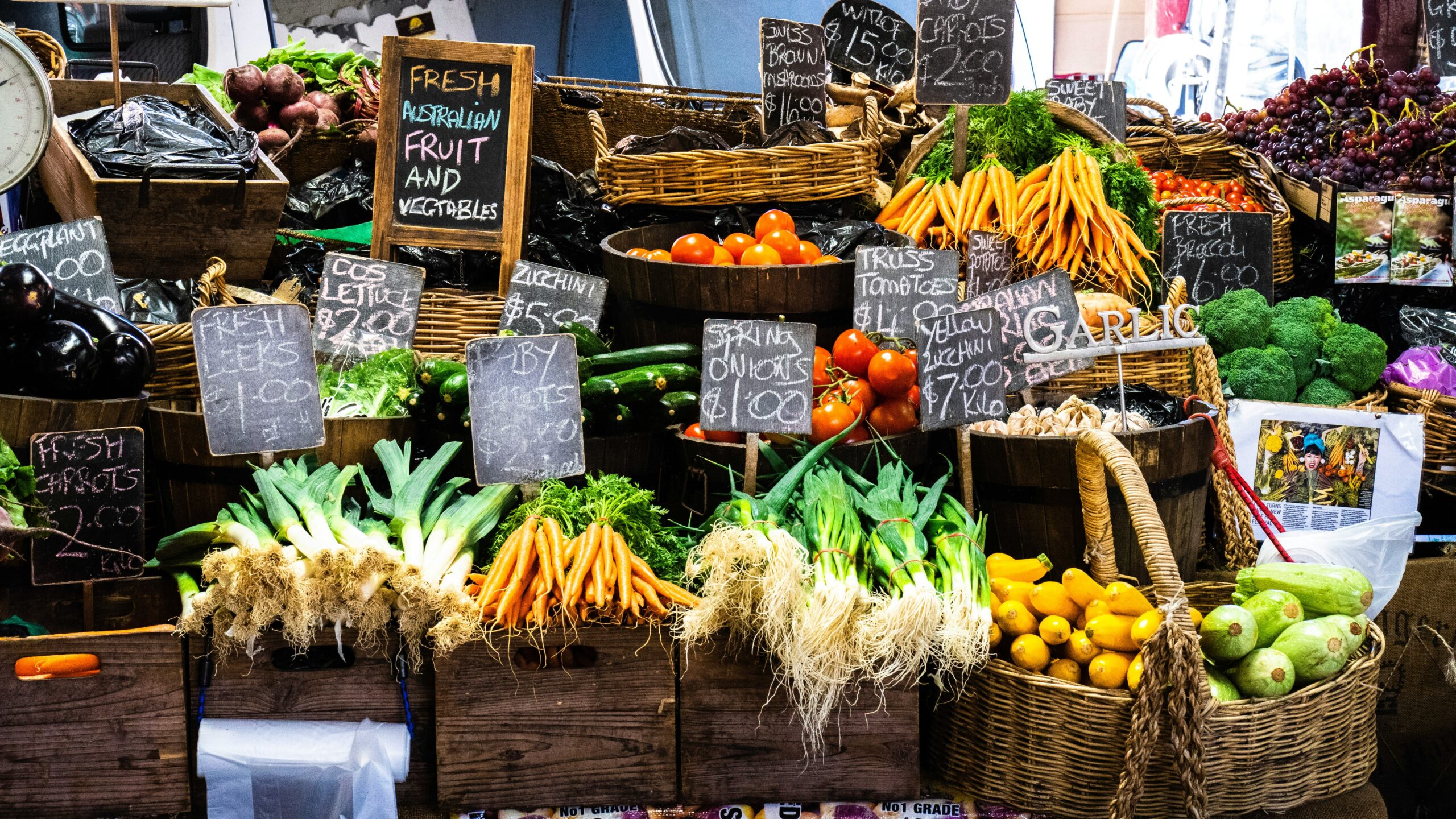
07 Mar Scaling from Farmers Market to Co-Packer: How Emerging Brands Grow
Transitioning from a local farmers market to a professional beverage co-packer is a major milestone for emerging food and beverage brands. Scaling production requires strategic planning, operational readiness, and regulatory compliance.
Early-stage brands often begin with small-batch production, direct consumer feedback, and regional distribution. This phase validates product demand and refines brand positioning. However, growth quickly introduces challenges such as consistent quality, production capacity, and food safety requirements.
Partnering with a co-packer for beverage production enables brands to scale efficiently. Co-packers provide commercial manufacturing equipment, quality control systems, and regulatory expertise. This transition reduces operational risk while allowing founders to focus on marketing, distribution, and brand building.
Before approaching co-packers, brands should finalize formulations, secure ingredient sourcing, and establish standard operating procedures. Documentation such as process authority letters, nutritional labeling, and shelf-life testing are often required. Strong preparation improves negotiation outcomes and reduces onboarding time.
Financial readiness is equally important. Minimum order quantities, production runs, and packaging costs can significantly impact margins. Brands should forecast demand carefully and secure distribution channels before scaling production.
Moving from farmers markets to co-packing represents more than increased volume — it marks a transition to professional CPG manufacturing. Companies that approach this stage with strong operational planning position themselves for sustainable growth in competitive retail markets.