
19 Jan Sea Moss Supplements: What to Test Before You Sell
Sea moss (Irish moss) has become one of the fastest-growing dietary supplement ingredients in the U.S., commonly sold as gels, powders, capsules, and beverages. While demand continues to rise, so does regulatory scrutiny. Brands that fail to properly test sea moss products risk FDA enforcement, retailer rejection, and consumer safety issues.
This guide explains what to test for sea moss supplements, why each test matters, and how proper testing protects both your brand and your customers.
What Is Sea Moss?
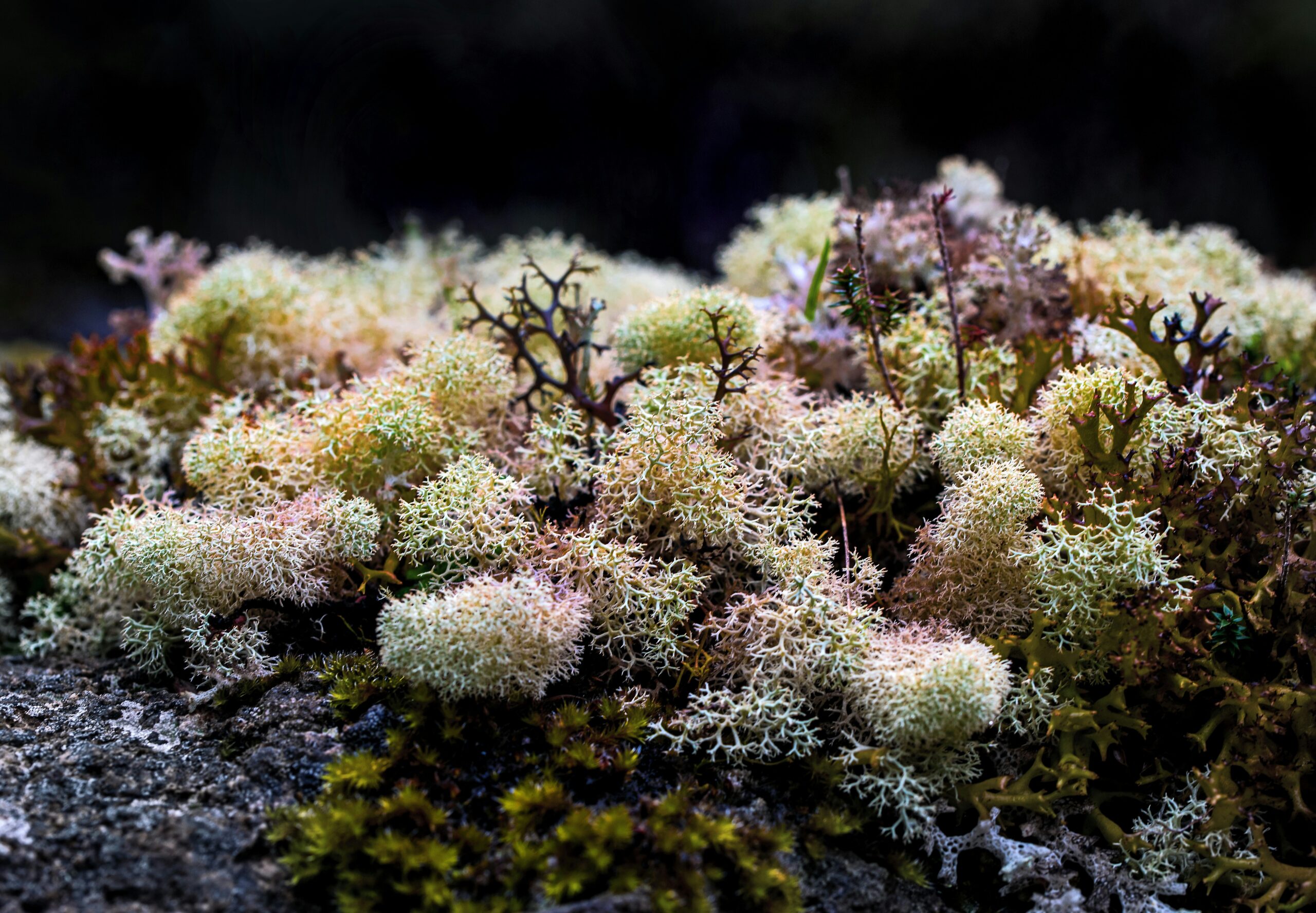
Sea moss is a type of red algae (commonly Chondrus crispus or Gracilaria species) harvested from ocean waters. Because it is a marine-sourced ingredient, sea moss naturally absorbs minerals from its environment—both beneficial nutrients and potentially harmful contaminants.
This makes comprehensive laboratory testing essential.
Required & Recommended Tests for Sea Moss
1. Heavy Metals Testing (Critical)
Sea moss is considered high risk for heavy metal contamination due to ocean exposure.
Required heavy metals to test:
- Arsenic (total and inorganic)
- Lead
- Cadmium
- Mercury
Why it matters:
- FDA and state regulators closely monitor heavy metals in supplements
- Retailers often require COAs showing compliant levels
- Chronic exposure poses serious health risks
2. Iodine Content
Sea moss naturally contains iodine, but levels can vary significantly depending on harvest location and processing.
Why iodine testing is important:
- Excess iodine can lead to thyroid dysfunction
- Accurate iodine values are critical for labeling compliance
- Prevents unintentional overconsumption
3. Microbiological Testing
Because sea moss is often sold raw, soaked, or minimally processed, microbial testing is essential.
Common microbial panels include:
- Total Plate Count
- Yeast & Mold
- E. coli
- Salmonella
- Listeria monocytogenes
4. Pesticides & Environmental Contaminants
Sea moss may be exposed to agricultural runoff or contaminated waters.
Recommended tests:
- Multi-residue pesticide screen
- Environmental contaminant analysis (when applicable)
5. Nutritional Analysis (For Labeling)
If you are making structure/function claims or selling sea moss as a dietary supplement, accurate nutrition data is required.
Typical nutrients tested:
- Minerals (iodine, potassium, calcium, magnesium)
- Macronutrients (for powders and gels)
6. Species Authentication (Optional but Valuable)
Misidentification or substitution is common in botanical and marine ingredients.
Benefits:
- Confirms correct species (Chondrus crispus, Gracilaria, etc.)
- Protects brand integrity
- Supports retailer and distributor confidence
Regulatory Considerations for Sea Moss
- Sea moss supplements must comply with 21 CFR Part 111 (cGMPs)
- Labels must meet FDA dietary supplement labeling requirements
- Claims must be properly substantiated and compliant
- Retailers may impose stricter testing thresholds than FDA minimums
Why Work With a Specialized Food & Supplement Lab?
Testing sea moss is not one-size-fits-all. A qualified lab will:
- Identify appropriate test panels based on product format
- Interpret results against FDA and retailer standards
- Support compliant labeling and documentation
United Food Labs offers comprehensive sea moss testing, including heavy metals, iodine, microbiology, pesticides, and nutrition analysis for supplements and functional foods.
Sea moss is a powerful ingredient—but only when tested properly. Investing in the right laboratory testing protects consumers, ensures compliance, and builds long-term brand credibility.
If you are launching or scaling a sea moss product, proper testing should be part of your foundation—not an afterthought.