Blog

Cold chain products are increasingly popular in today’s food and beverage market, from refrigerated beverages and sauces to functional foods requiring temperature control. While cold storage reduces microbial risk, it does not replace the need for a Process Authority (PA) letter. For many cold chain products,...

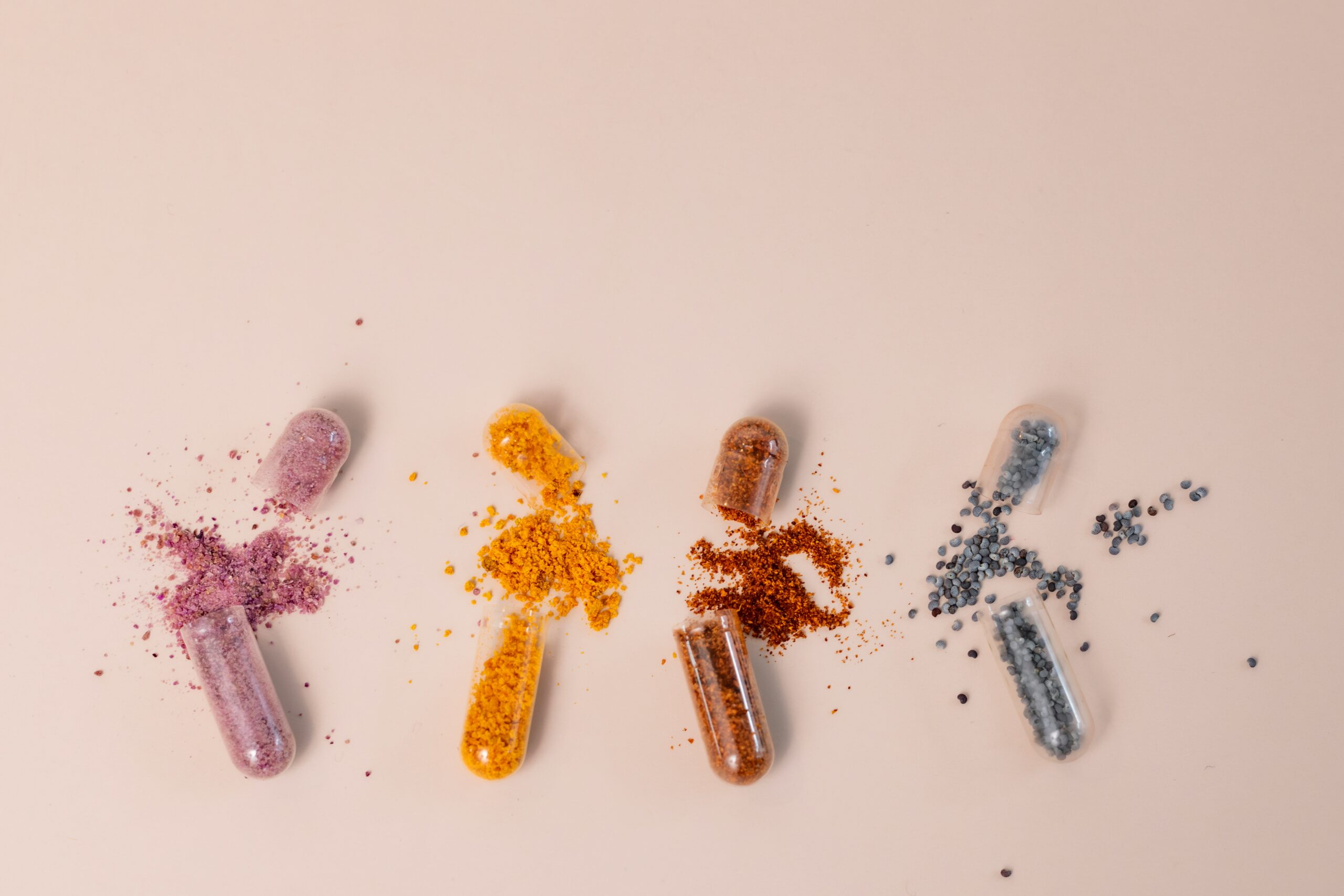
Sea moss (Irish moss) has become one of the fastest-growing dietary supplement ingredients in the U.S., commonly sold as gels, powders, capsules, and beverages. While demand continues to rise, so does regulatory scrutiny. Brands that fail to properly test sea moss products risk FDA enforcement,...

Selling food and beverage products on Amazon is one of the fastest ways for small brands to reach national customers—but it also comes with strict requirements. Amazon expects every food listing to meet FDA labeling laws, follow 21 CFR regulations, and include a fully compliant...

Selling dietary supplements on Amazon has become one of the fastest ways for new brands to launch nationally—but it’s also become one of the hardest product categories to get approved for. Amazon has dramatically tightened compliance requirements in the past few years. Brands now need...

⭐ How Nutrition Analysis Supports Menu Engineering 1. Identifies High-Cost / Low-Yield Items Nutrition analysis reveals: True portion sizes Ingredient usage High-cost itemsRestaurant owners can then adjust recipes for profitability without sacrificing quality. 2. Improves Portion Consistency Inconsistent portioning = lost profits.Standardized recipes prevent over-serving. 3. Supports “Healthy Menu” Expansion Nutrition...

The meal prep industry is booming—but also competitive. Customers choose meal prep companies based on nutrition accuracy, consistency, and transparency. If you run a meal prep brand, nutrition analysis isn’t just helpful—it’s your biggest competitive edge. ⭐ Why Nutrition Analysis Matters More for Meal Prep Brands 1. Customers...

⭐ 1. Consumers Trust Restaurants With Transparent Nutrition Guests reward restaurants that are honest about: Calories Sodium Sugar Allergen risks Portion sizes Transparency = trust = repeat business. ⭐ 2. Calorie Labeling Helps Customers Order Faster People make decisions faster when they have clear data.Faster decision-making increases table turnover...

Restaurant nutrition requirements have changed dramatically over the last decade—and 2025 is seeing even stricter expectations for transparency. Whether you run a full-service restaurant, café, bakery, food truck, ghost kitchen, or meal prep brand, nutrition analysis is no longer optional if you want to meet...

Before a beverage enters the market, it must undergo specific tests depending on its category and processing method. Here is the essential testing checklist. ⭐ 1. pH Testing Determines if the beverage is low-acid or acidified. pH < 4.6 = safe for acidified foodspH > 4.6 = needs stricter...

Choosing the correct serving size for a beverage isn’t optional—it’s regulated. The FDA uses Reference Amounts Customarily Consumed (RACC) to determine your serving size. ⭐ Beverage RACC Values For most beverages, the RACC is 360 mL.This covers: Teas Flavored waters Energy drinks Juice blends Electrolyte drinks Functional...